
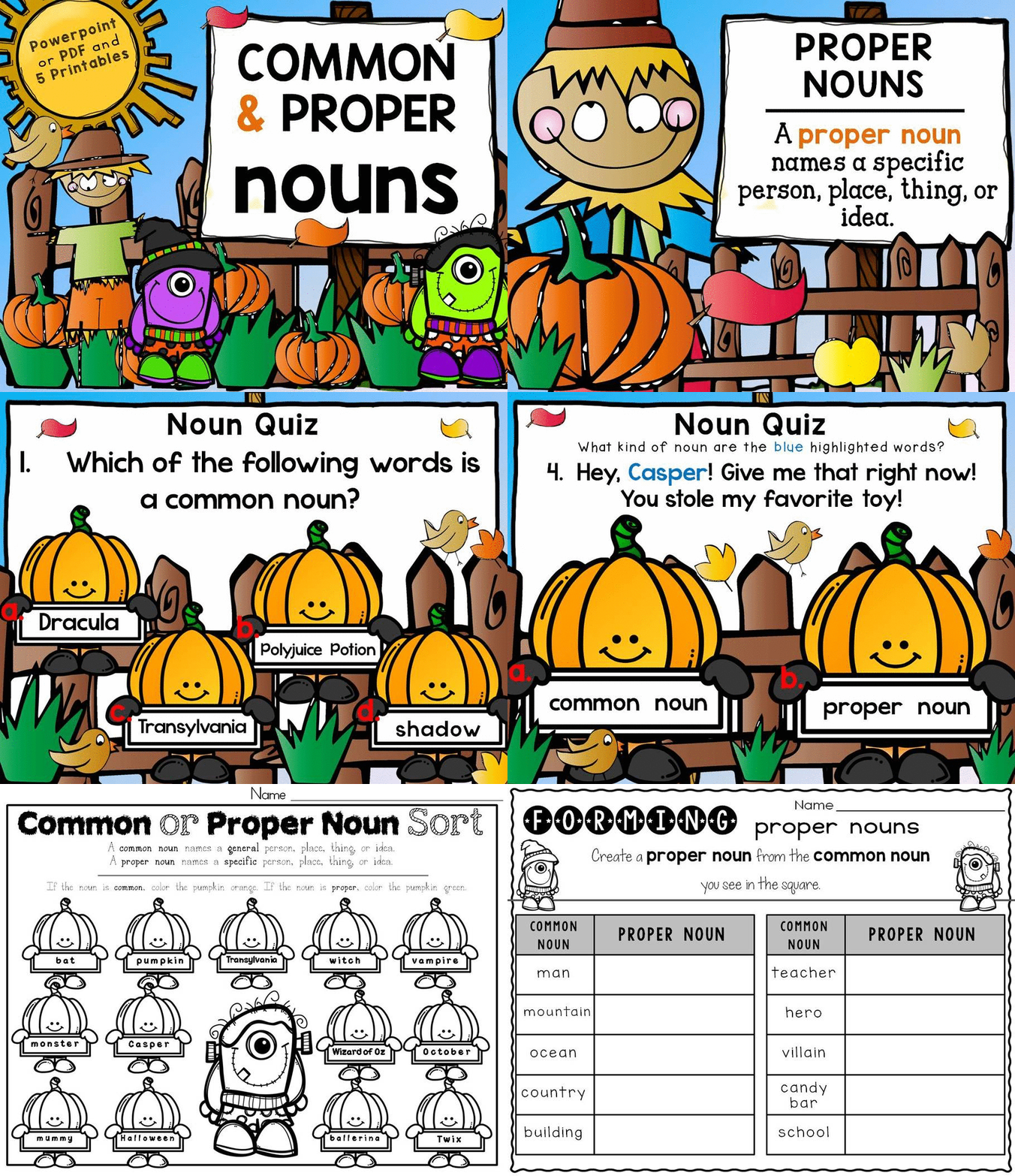
Noun
A noun is a word that names a person, place, thing, or idea.
It is a basic and important part of English grammar because it helps us clearly identify what we are talking about in a sentence.
Nouns can perform different roles in a sentence.
They can act as a subject, object, or complement.
The subject tells who or what performs the action, and the verb tells what action is performed.
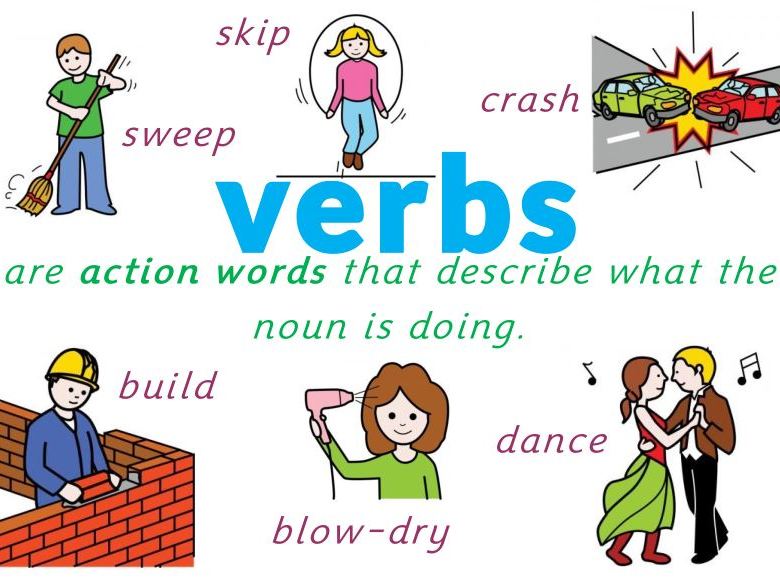
Verb
A verb is a word that shows an action, an occurrence, or a state of being in a sentence.
In simple terms, a verb tells what someone or something does or what happens.
Types of verbs tell us the different ways verbs are used in sentences, such as showing action, helping another verb, or linking the subject to more information.
Verbs are the action, the plot, and the very heartbeat of the sentence.
Adjective
If nouns are the “actors” on stage and verbs are the “action,” then adjectives are the lighting, costumes, and set design.
With them, the audience can see, feel, smell, and hear exactly what you mean.
Without them, the stage is bare, grey, and boring.
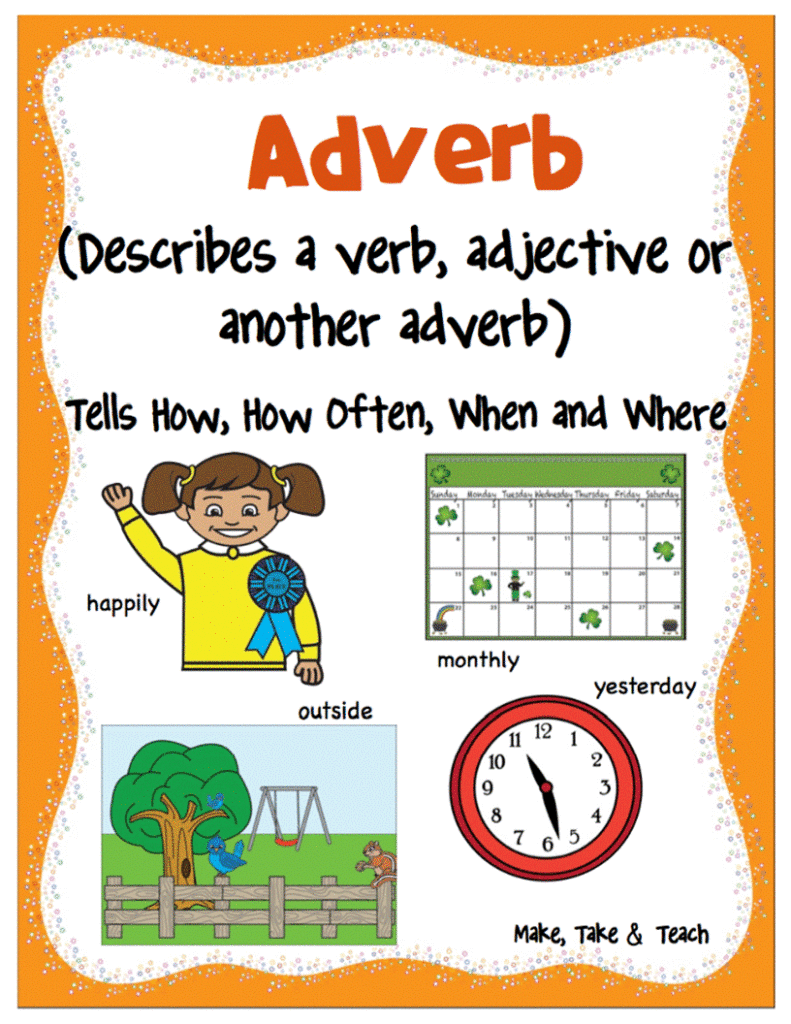
Adverb
An adverb is a word that gives more information about a verb, an adjective, or another adverb.
It tells us how, when, where, or to what extent an action happens.
Adverbs make sentences more descriptive and clear.
Relative adverbs are adverbs used to connect two sentences.
They show the link between a word mentioned before and the information that comes after it.
Adverb clauses are word clusters that function as a single unit to perform the functions of many adverbs.
Adverb clauses are dependent clauses. This indicates that they have a subject and a verb but do not adequately convey a whole thought on their own.
Copyright © 2026 安迪小站 | All Rights Reserved
浙ICP备2025216259号 | 浙公网安备33040202001082号